Opinion: Windows 11 isn’t the disaster some claim – and it’s time to say so
 Windows 11 isn't a disaster as many claim. Edited with Gemini
 Spend enough time on social media, Reddit, or the comment sections of tech sites, and you’ll come away with the impression that Windows 11 is a barely functioning experiment held together with duct tape and wishful thinking. Cumulative updates have become a crisis that lays the groundwork for Patch Tuesdays to fix bugs that slowly confirm the consensus of Microsoft losing control.
Although this narrative has enough momentum and plenty of data points to back it up, it’s unfair to Windows 11, especially in 2026.
There is no denying that Windows 11 had its fair share of issues. We even made a list of the top 20 issues that the OS had in 2025. But the idea that Windows 11 is uniquely unstable, lower quality than its predecessors, or that it shows a sharp decline in Microsoft’s engineering capabilities doesn’t hold up when you zoom out and compare the 5-year-old OS to Windows 95, 98, XP, 7, and even 10, for that matter.
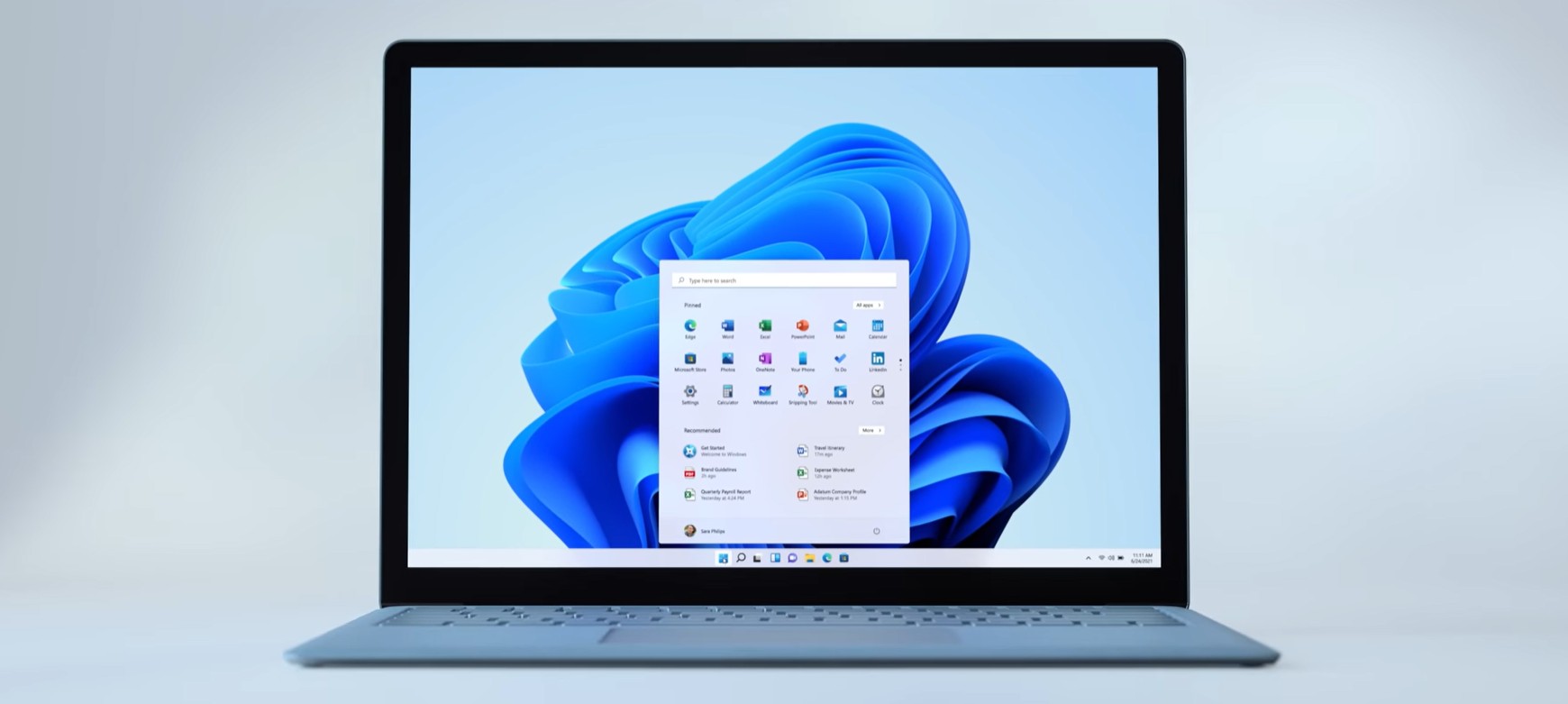 Windows 11 in 2021
Of course, I’m not defending every Microsoft design or decision. But this is my effort to remind you that Windows 11 is a sprawling, evolving platform serving a billion‑plus users across wildly diverse hardware and is far from the catastrophe some observers claim it to be.
Attention-grabbing headlines make Windows 11 worse than it is
Windows 11 has been in the news a lot lately, and not always for the right reasons. Printer issues, Start menu glitches, taskbar inconsistencies, and occasional performance hiccups have all been reported. Some of these problems have been legitimate and disruptive. Others affected a narrow set of configurations but still spread quickly because that is how tech news works today.
What gets lost in the conversation is that Windows has always gone through cycles like this. The difference now is how visible they are.
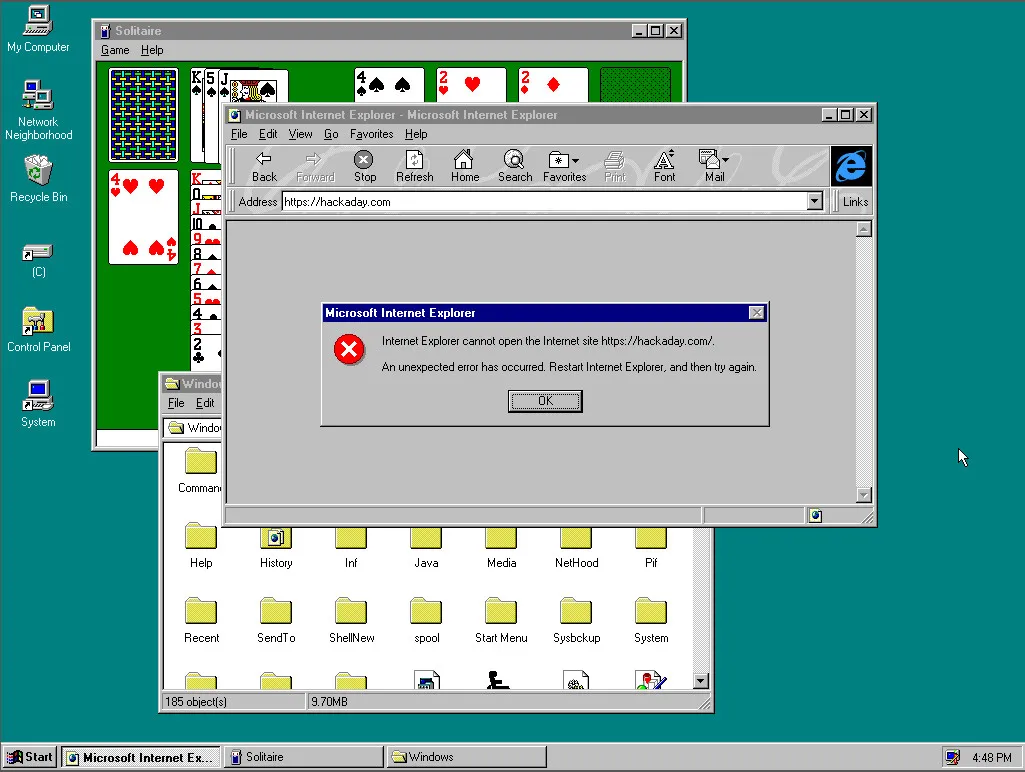 Screenshot of Windows 95. Source: Inventiva
Windows 95 shipped with instability so legendary that rebooting the OS became a habitual action for users. Windows 98 Second Edition was widely seen as the version that fixed what the original release struggled with. Windows 98 Second Edition was widely seen as the version that fixed what the original release struggled with. Even Windows 7, which many remember as the polished one, had early driver and networking issues that took time to settle. Windows 10 went through its own period of problematic updates, including one infamous release that removed user files during upgrade.
Today, every small issue in Windows 11 is documented instantly, shared at once in X, and debated endlessly on Reddit. A single glitch can look like a widespread failure of the OS because it travels faster and farther than it ever could before. The issues are real, but the perception around them is often louder.
Rebuilding user trust matters more than counting bugs
Industry observers argue that Microsoft’s biggest challenge isn’t bugs but the erosion of user confidence. Users now don’t trust Windows to behave the way they expect it to. Windows 11’s recent missteps have made some users wary, others furious. This goes double for a recent and extended series of cumulative updates that stretches back to last October (it’s February as I write this).
Such mistrust is understandable because Windows is not another unimportant app. It is at the center of work, gaming, and daily life for more than a billion devices. When something breaks, even briefly, it feels personal. And when updates arrive frequently, every issue starts to look like part of a pattern, even if it affects only a small percentage of PCs.
So, the conversation has to shift from “Is Windows broken?” to “Can Microsoft be more predictable and transparent about changes?” That is a communication and consistency challenge and not an accusation of collapse in engineering quality. Microsoft leadership, including Satya Nadella and Windows chief Pavan Duvuluri, has already acknowledged the need to focus on reliability and rebuild confidence across the Windows lifecycle. We will see how this plays out over the next couple of release cycles, but here’s a look back at older Windows history.
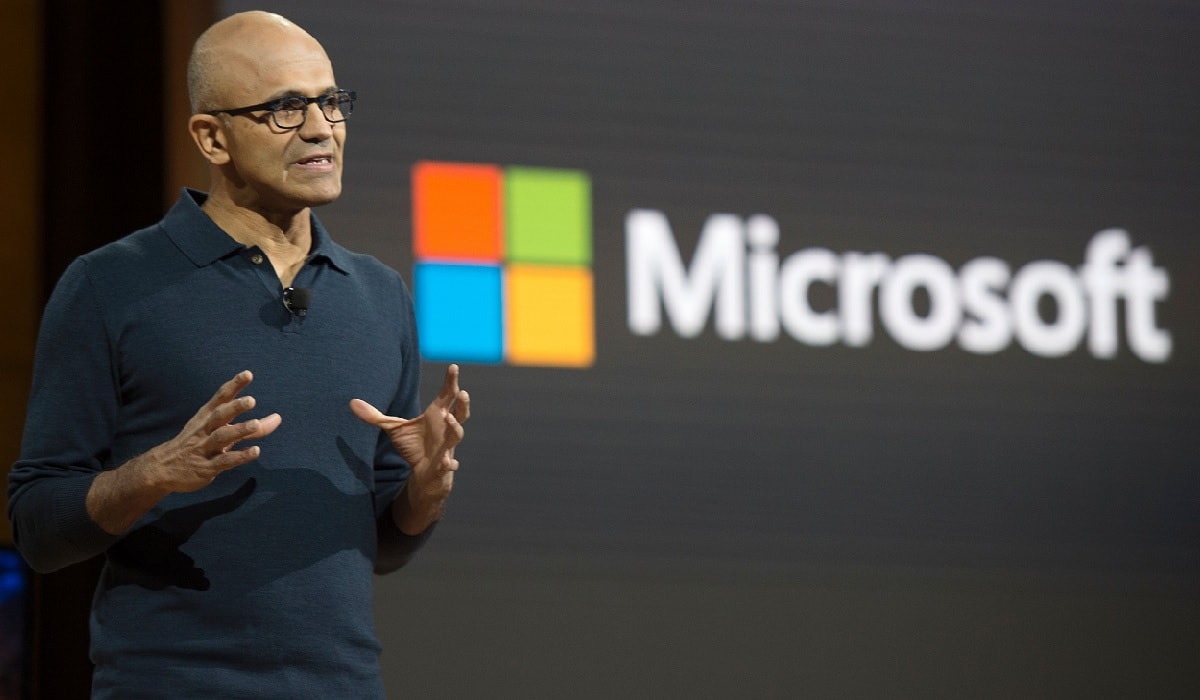 Image Courtesy: Fortune.com
Windows 11’s bug and OOB update frequency isn’t too different from 7 or 10
One of the most persistent claims is that Windows 11 has “more bugs” or “more emergency patches” than previous versions. But when you compare release cadence and out‑of‑band (OOB) updates across generations, the data tells a different story.
- Windows 7 went through years of hotfixes, compatibility updates, and security patches after launch. Driver conflicts were common as new hardware arrived faster than the OS could adapt. Stability only improved over time.
- Windows 10 introduced the Windows‑as‑a‑Service model, which dramatically increased update frequency, and with it, the number of “known issues.” The 1511, 1607, 1703, and 1809 releases all required multiple fixes.
- Windows 11 shows a number of OOB updates along the same lines as Windows 10’s early years. But they’ve appeared with faster detection, better telemetry, and quicker rollback mechanisms. That includes a very capable “Known Issue Rollback” (KIR) mechanism delivered through Windows Update itself.
In many cases, problems that once took months to diagnose now get mitigated within days. That faster response cycle can create a false impression of instability even when reliability is improving. In other words, Windows 11 isn’t unusually buggy. It’s unusually well-observed and reported.
Gamers continue using Windows 11 for practical reasons
If Windows 11 were genuinely unreliable, the group most likely to reject it would be PC gamers and other performance-sensitive users. These are people who measure every update in frame times and milliseconds. Yet adoption among that audience has continued to grow. For example, Steam’s Hardware Survey shows steady Windows 11 adoption, driven by:
- Better CPU scheduling, especially for hybrid architectures like Intel’s 12th–14th gen Core processors.
- Improved GPU performance thanks to updated WDDM versions and better driver integration.
- Auto HDR, DirectStorage, and DirectX 12 Ultimate features missing in Windows 10.
- Lower input latency in certain scenarios, especially with modern gaming mice and high‑refresh displays.
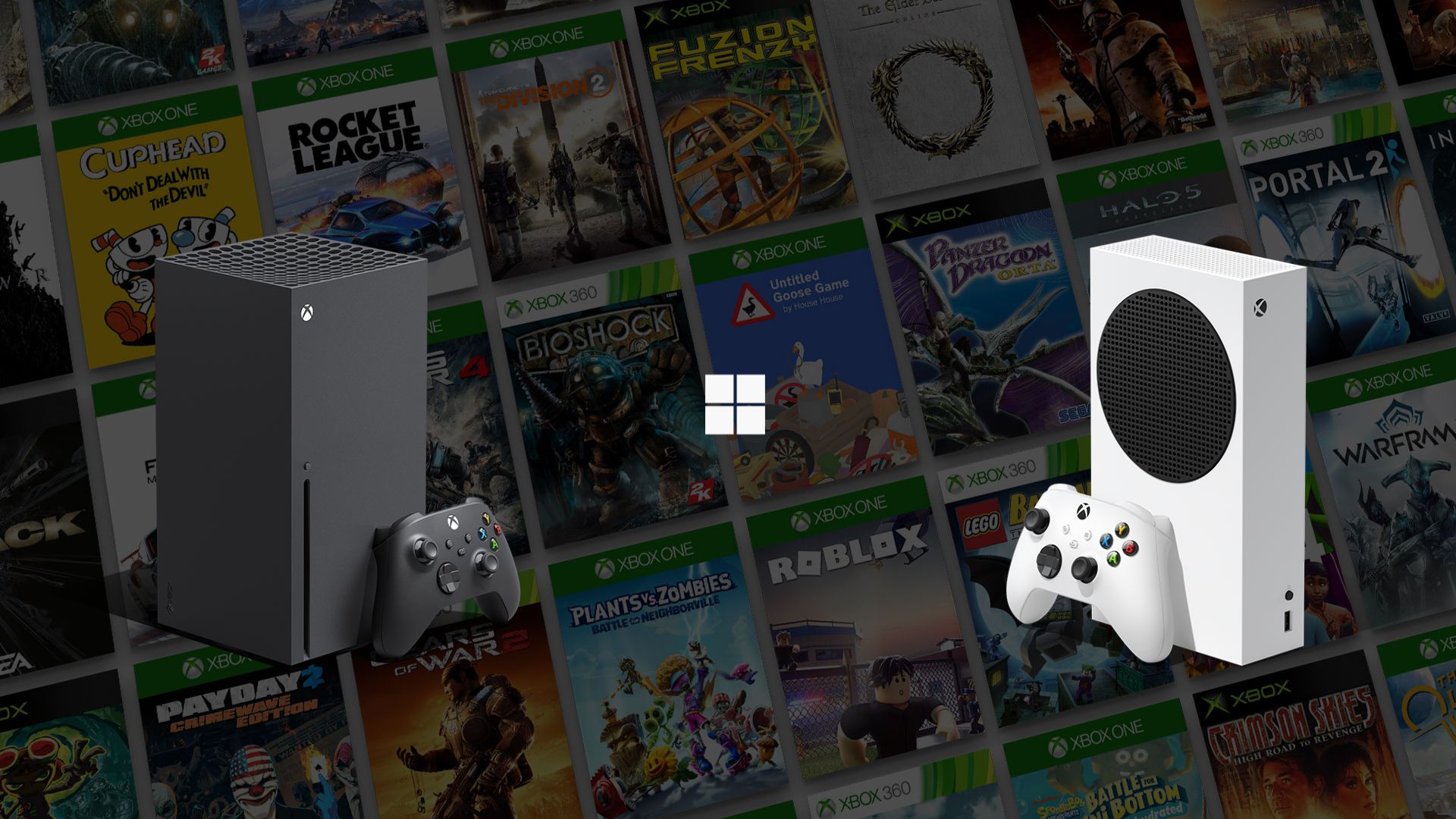 The next Xbox will run Windows 11
Gamers are a brutally pragmatic group. They don’t care about rounded corners or the new Start menu, and definitely not Copilot. They care about frame rates, latency, and stability under load. And they’re increasingly choosing Windows 11 because it delivers what they want and need.
Not to mention Microsoft’s recent promise to make gaming in Windows better:
“We’re committed to making Windows the best place to play, and we will continue refining system behaviors that matter most to gaming: background workload management, power and scheduling improvements, graphics stack optimizations, and updated drivers.”
Windows at this scale is bound to look messy from the outside
One aspect that rarely gets discussed when people talk about Windows 11 quality is the sheer scale Microsoft is dealing with today. This is not a single product running on a controlled set of hardware, like a certain company with a fruit logo. Windows is a platform operating across an enormous, constantly changing ecosystem, and Microsoft is juggling many moving parts.
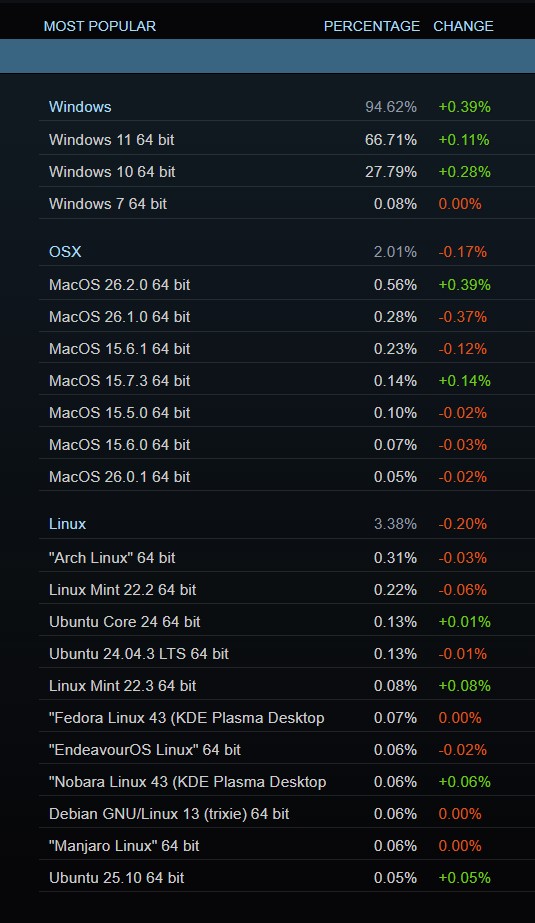 Steam Hardware Survey showing the massive scale of Windows 11
- A global audience of over 1 billion Windows 11 users, as Satya Nadella announced on January 28 in the MS 2026 Q2 earnings call with investors.
- Two to three years’ worth of General Availability (GA) releases in parallel, each with its own servicing timeline. Right now, that means 23H2, 24H2, and 25H2.
- A new Long Term Servicing Channel (LTSC) release cycle for enterprise customers, which adds another branch to maintain.
- The emerging 26H1 release, optimized for next‑generation Copilot+ PCs and new silicon.
- Up to four Insider channels (Canary, Dev, Beta, Release Preview), each with different feature sets and experimental code paths.
This is an extreme level of parallel development. Windows has never had this many active branches, hardware combinations, drivers, OEM customizations, and preview features in flight simultaneously. When you run an ecosystem this big, things occasionally get weird.
A change validated in Canary might accidentally slip into Dev. A driver optimized for 26H1 might behave oddly on 23H2. A servicing stack update might interact with an OEM image in unexpected ways. That is not a sign that engineering has collapsed. It is what happens when software operates at a global scale across millions of unique device permutations.
For most people, Windows 11 does its job well
What rarely gets mentioned in the outrage cycle is that most Windows 11 systems run without major issues. Millions of PCs boot every morning, run workloads, play games, connect to peripherals, and install updates without any issues. The loudest voices are often those who encounter problems. Indeed, their experiences matter, but they aren’t representative of the entire ecosystem.
Windows 11 is not perfect. No version of Windows has ever been. But it is stable, performs reasonably, and is the best choice for state-of-the-art PCs and their apps. Windows 11 is better for gaming, better for hybrid CPUs, better for security, and better for the future Microsoft is building. And yes, Windows has occasional issues and misdirection, like the infamous push to AI and an Agentic OS, which gave the “Microslop” monicker that still plagues the company’s truthful social media posts.
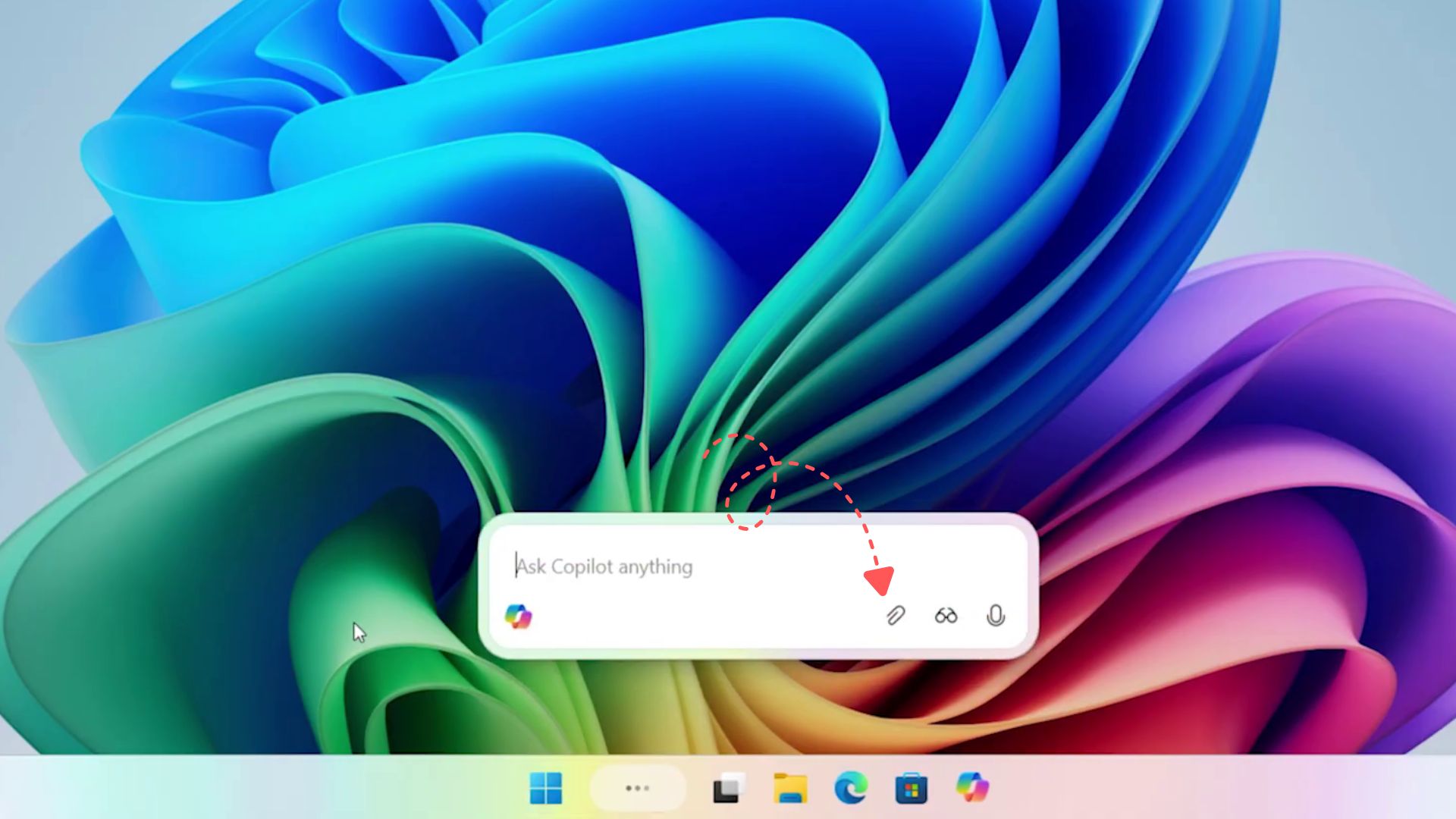
But most importantly, Microsoft has made a major announcement to make Windows 11 better, including:
- Plans to cut back on Copilot throughout the OS.
- Bug fixes and performance improvements, like in the File Explorer.
- Meaningful features, like the ability to move and resize the taskbar.
- Better security with smartphone-style per-app permission settings.
- Better gaming since the next Xbox is going to run Windows 11.
Nevertheless, the OS already works reasonably well for the vast majority of users. That includes yours truly. My small fleet of 10-12 Windows desktops and laptops (and dozens of VMs) seldom sees the problems that many in the trade press and social media report. My personal experience, documented in a daily blog, involves finding and solving Windows glitches and gotchas. But on the whole, I like Windows 11 and find it a good place to work, play, and otherwise spend time.